Glass partition System
What is a Glass Partition System?
At its core, a glass partition system is a series of high-quality glass panels used to divide interior spaces. Unlike a traditional brick-and-mortar wall, these systems maintain visual openness while providing physical boundaries.
They are incredibly versatile and come in several configurations to match your exact vibe and functional needs.
The Major Types You Need to Know
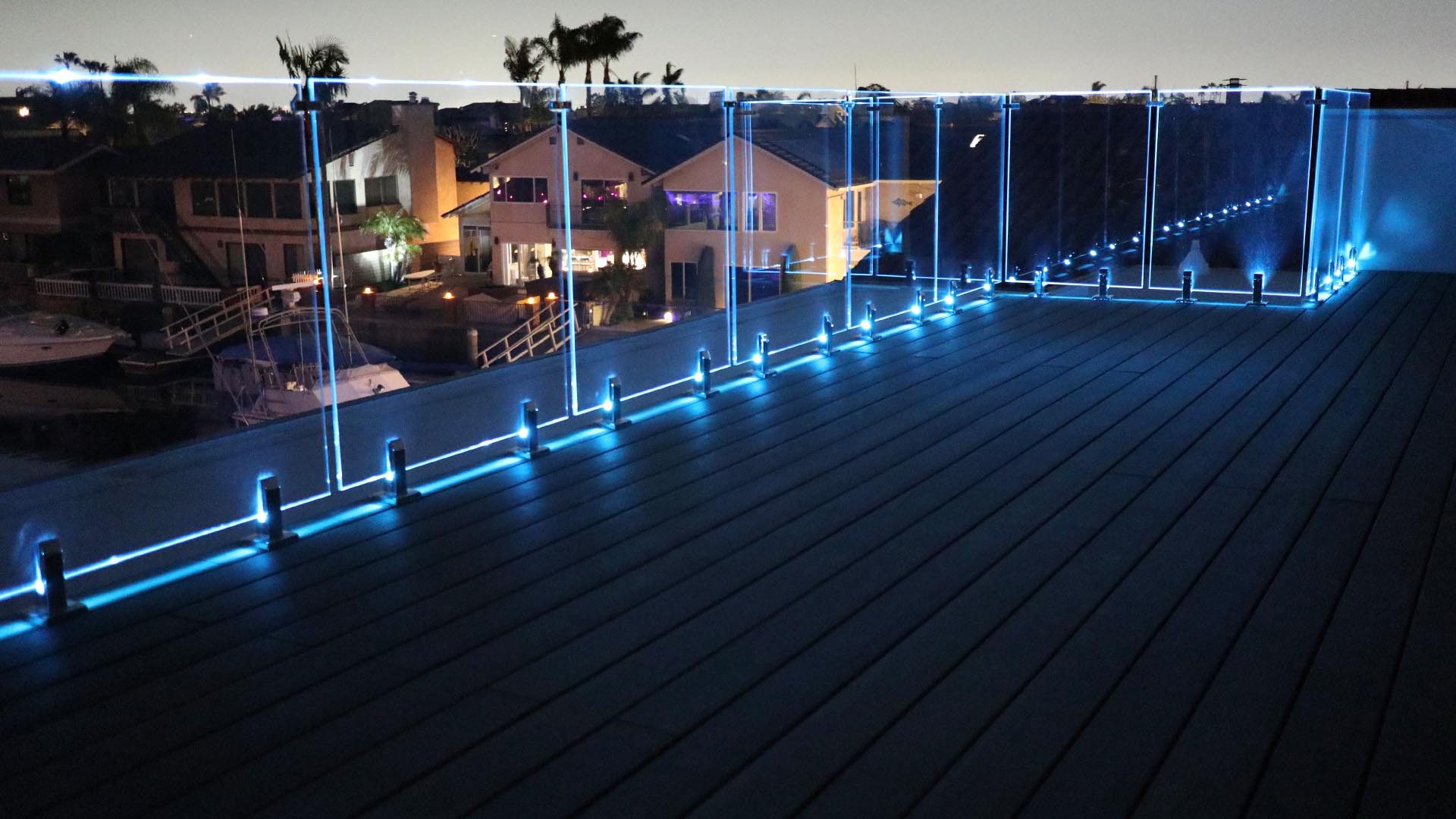
- Frameless Glass Partitions: If you want that seamless, “barely there” look, this is it. The panels are joined using clear silicone or low-profile channels at the top and bottom. It maximizes natural light and looks incredibly premium.
- Framed/Aluminium Systems: Featuring aluminium or steel grids, these partitions offer an industrial, loft-style aesthetic (think trendy Brooklyn cafe or tech startup). They also provide excellent structural stability.
- Acoustic Glass Walls: Need to hold confidential meetings or keep the kids’ TV noise out of your workspace? Acoustic systems utilize double-glazing or laminated acoustic glass layers to trap sound waves.
- Sliding or Folding Glass Doors: Perfect for flexible spaces. You can close them for privacy or slide them completely out of the way to open up the entire floor plan.
Categorized by Structural Layout & Framework
This dictates how the system is physically installed and how it looks visually in your space.
- Frameless Glass Partitions: The ultimate choice for a minimalist, high-end look. Panels are joined edge-to-edge using clear silicone joints or slim polycarbonate clips. The glass is held only by low-profile tracks at the floor and ceiling, maximizing uninterrupted views and light.
- Framed Glass Partitions: These panels are entirely enclosed in perimeter frames (usually lightweight, durable aluminum or steel). They offer excellent structural rigidity and are highly customizable.
- Crittall-Style / Black Grid Partitions: A massive design trend. These are framed partitions featuring an internal grid of black metal profiles. They offer an edgy, industrial “loft” aesthetic that works incredibly well in both trendy office spaces and modern homes.
Fixed Glass Partitions: These are permanent architectural features. Once installed, they act just like a standard wall and do not move. - Sliding Glass Partitions: Perfect for tight spaces where a traditional swinging door would take up too much room. The panels slide smoothly on top or bottom tracks.
- Movable / Folding Glass Walls (Bi-fold): A series of glass panels connected on hinges that can be completely folded back and stacked against a wall. This allows you to turn two smaller meeting rooms into one massive conference hall in under a minute.
- Demountable Glass Systems: A favorite for commercial landlords and corporate offices. These are modular partition systems designed to be uninstalled, moved, and reconfigured in a new layout without damaging the floor or ceiling.
he Core Safety Glasses (Industry Standards)
By law, any glass used in an interior partition must be safety glass. If an object (or a person) hits the wall, it needs to behave in a way that won’t cause severe injury.
Tempered (Toughened) Glass
This is the absolute workhorse of the partition industry. Standard glass is heated to extreme temperatures and then rapidly cooled, making it 4 to 5 times stronger than regular glass.
- Thicknesses used: Usually $10\text{mm}$ or $12\text{mm}$ for frameless systems; $6\text{mm}$ to $8\text{mm}$ if it’s sitting inside a heavy frame.
- How it breaks: If it does experience a massive impact, it shatters into thousands of tiny, blunt, relatively harmless pebbles rather than jagged, razor-sharp shards.
Laminated Glass
Laminated glass is made by sandwiching a tough plastic interlayer—usually Polyvinyl Butyral (PVB) or Ethyl Vinyl Acetate (EVA)—between two sheets of glass.
- The “Windshield” Effect: If this glass breaks, the shards stay completely bonded to the internal plastic film. The wall stays upright and intact until it can be safely replaced.
- Bonus Benefit: It offers fantastic UV protection, meaning it stops your office furniture or home carpets from fading over time under direct sunlight.
2. Specialty & Performance Glasses
Sometimes you need a partition to do more than just look pretty—it needs to block sound, control privacy, or even stop a fire.
Acoustic Laminated Glass
If you are building a boardroom, an HR office, or a bedroom wall, this is what you want. It uses a specialized acoustic PVB interlayer specifically engineered to absorb and dampen sound waves. When paired with a double-glazed system, it can block sound just as effectively as a solid drywall.
Fire-Rated Glass
Standard tempered glass will crack and fail quickly under extreme heat. Fire-rated partitions use advanced ceramic glass or multi-layered glass filled with an intumescent gel that expands when exposed to heat. Depending on the specification, these can hold back fire, smoke, and radiant heat for 30, 60, 90, or 120 minutes to allow for safe evacuation.
3. Decorative & Aesthetic Glasses
If you want to inject some personality, branding, or visual privacy into the space, you can move away from clear glass.
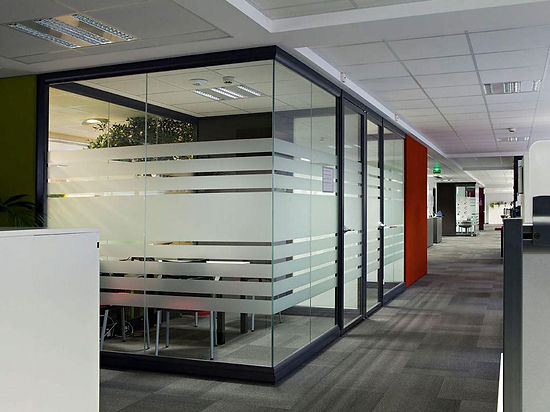
- Frosted / Acid-Etched Glass: Chemically treated to give a translucent, satin finish. It lets the light through perfectly but blurs shapes so people can’t see exactly what you’re doing.
- Fluted / Ribbed Glass: A massive interior design trend right now. This glass has vertical grooves molded into it. It creates a stunning retro-modern look and beautifully distorts light and images for semi-privacy.
- Smart / Switchable Glass (PDLC): This glass features a Polymer Dispersed Liquid Crystal film. When electricity runs through it, the crystals align and the glass is perfectly clear. Turn the switch off, the crystals scatter, and the glass instantly turns opaque frosted.
Quick Comparison: Choosing Your Glass Type
| Glass Type | Safety Level | Acoustic Performance | Best Used For |
| Tempered (Toughened) | High | Moderate | Standard office dividers, retail fronts, frameless walls |
| Acoustic Laminated | Maximum | Excellent (Best in class) | Boardrooms, private offices, residential dividers |
| Fluted / Ribbed | High (When tempered) | Moderate | Trendy home offices, restaurant dividers, boutique retail |
| Smart Switchable | High | Moderate to High | High-tech conference rooms, medical clinics, luxury homes |
Are glass partition systems safe? What happens if someone walks into one?
A: This is everyone’s biggest fear, but rest assured, they are incredibly safe. By building code standards, all reputable glass partitions use either Tempered (toughened) Glass or Laminated Glass.
- Tempered glass is physically processed to be up to five times stronger than standard glass. If it does break, it shatters into tiny, blunt pebbles rather than sharp, dangerous shards.
- Laminated glass features a tough plastic interlayer sandwiched between two glass sheets; if it breaks, the glass sticks to the plastic layer rather than falling out.
Q: Can you actually get real privacy with a glass wall?
A: Absolutely. If visual privacy is a concern, you don’t have to stick to clear glass. You can opt for frosted glass, textured/fluted glass (which is incredibly trendy right now), or custom applied decorative window films. For the ultimate tech-forward luxury, you can even install smart switchable glass that goes from completely clear to totally opaque at the click of a button!
Q: How long does it take to install a glass partition system?
A: Because they are pre-fabricated based on precise on-site measurements, the actual installation is surprisingly fast. A standard office or room partition can typically be fully installed by a professional team in just one to two days, with minimal mess compared to a traditional drywall build.